
THE UNLEARNER'S HANDBOOK
Hey you. We are glad you are here. And we get it - it's not easy or fun being the guy that stands up and says something. But it matters. We can get into that:
How to use this guide:
Click on the section that best matches the situation you're encountering:
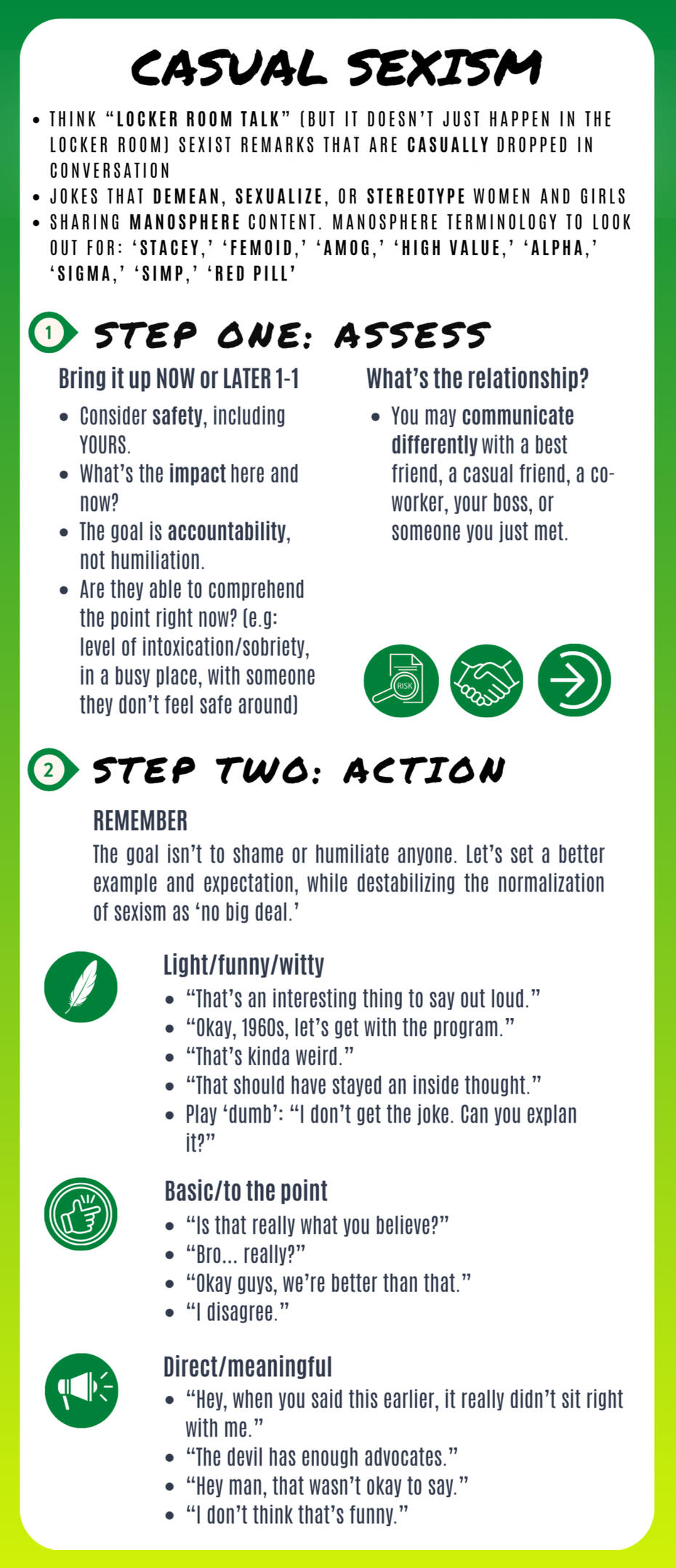
Green: Casual sexism. Jokes, phrases, or 'locker room talk' that is usually dismissed as 'not a big deal.'
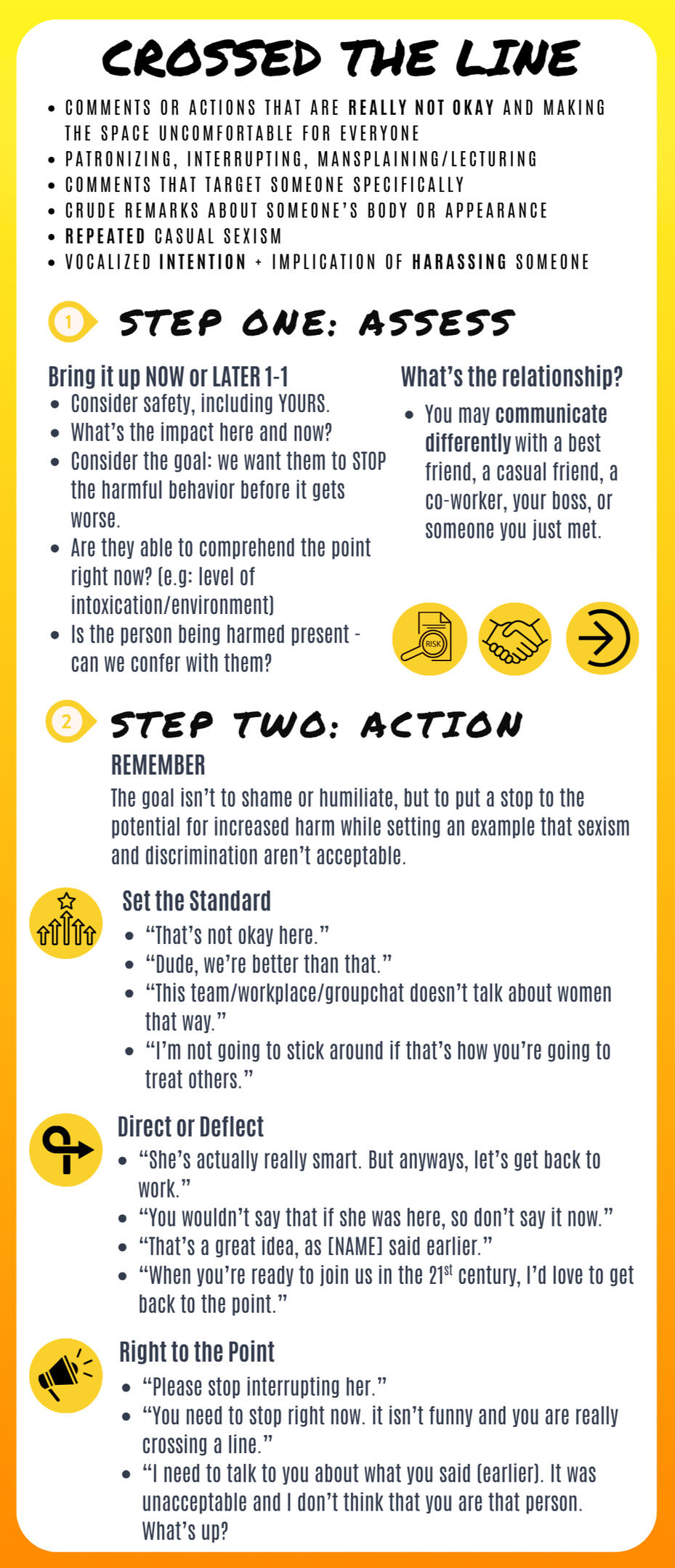
Yellow: Line is crossed. It's getting very uncomfortable in here.
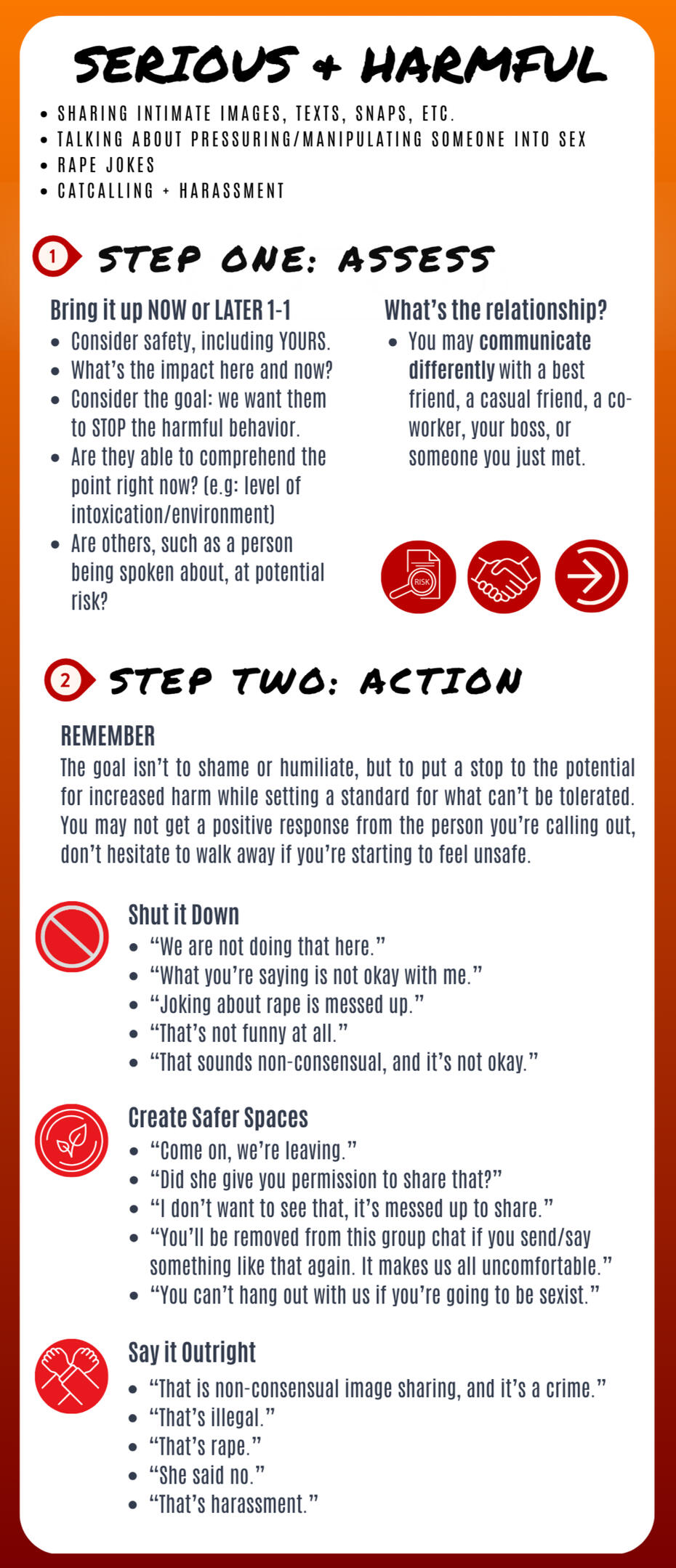
Red: Serious and harmful. It has to stop now.
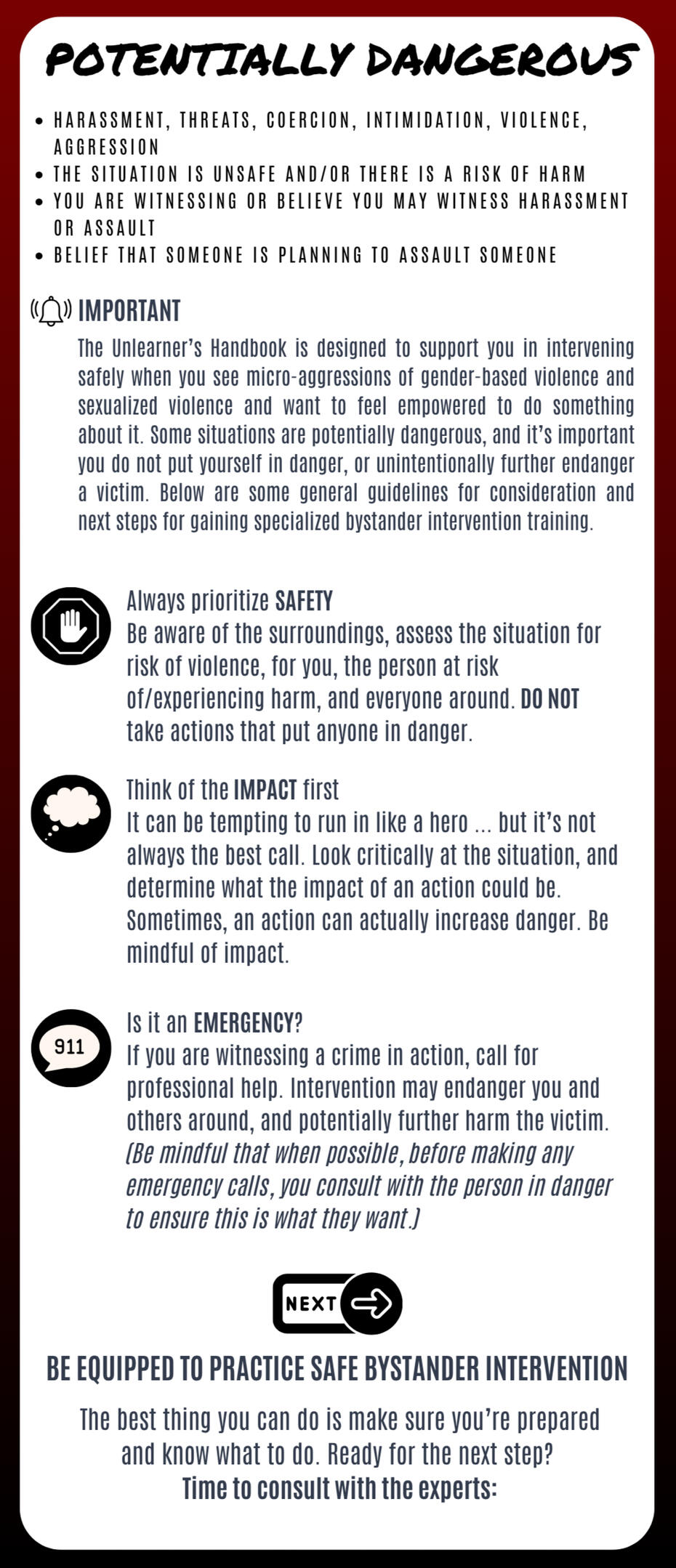
BLACK: It's unsafe. Harm is happening or very likely to happen. We'll share tips and next steps to learn bystander intervention and de-escalation skills.
key takeaways + principles
We hope this handbook has helped you navigate an uncomfortable situation of witnessing gender-based harm, and that it continues to help you. There is no ending Saskatchewan's epidemic of gender-based violence without the effort of everyone, including men. YOU are needed and we're glad you're along for the work with us.
we wanted to share some final key principles to keep in mind when using this guide:
Accountability is the goal, not humiliation
We want accountability and a commitment to change, so it is important that our “call out” comes from that place. When calling out sexism, we aren’t aiming to humiliate the person. Humiliation can cause defensiveness, which can escalate the situation, impede someone’s ability to be open to what you’re saying, cause them to shut down, and even make the behaviour worse.
Timing and Setting is Everything
This goes along with the goal. Sometimes, you may not achieve your goal if you don't consider the timing and setting. Will addressing it now humiliate them or set a standard? Will it aggravate the situation or lighten it? Is the person able to understand right now? Is this something that warrants a bigger conversation with them? Who else is around, and how will that impact the response?
Consultation is Critical
Our hope is that you utilize this handbook when 'nobody is watching' - ie: it's guy time, and the person is behaving in ways they really wouldn't if a girlfriend, mom, boss, etc. would see. But sometimes, you're going to intervene when someone being harmed is present. Whenever possible, ASK the person you're concerned about if they want your involvement. Don’t assume that you know what course of action is best for them. By asking, you ensure that their voice is heard in situations that they may feel disempowered or silenced already. An ally can make all the difference in a tough moment, but it's important that allyship listens + lets the person lead.
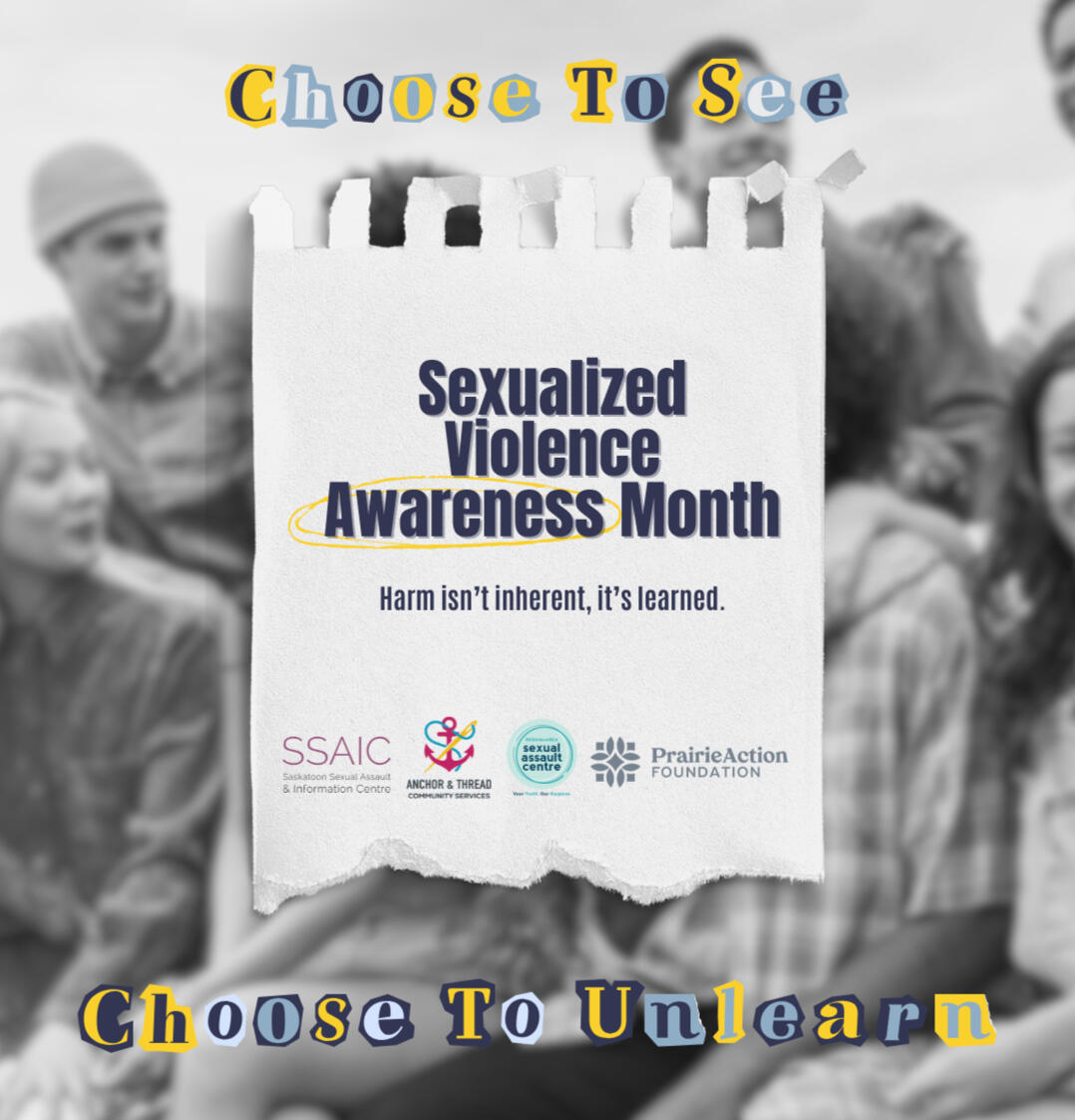
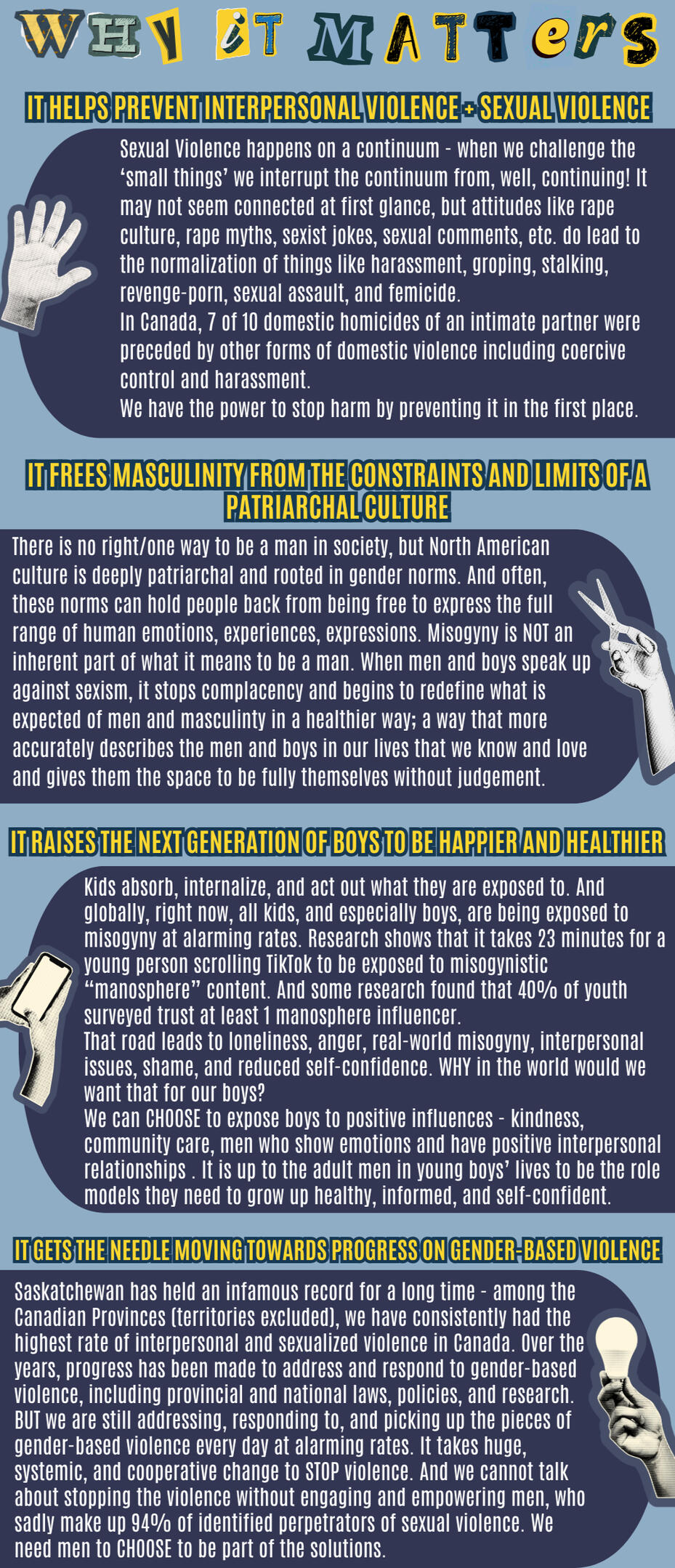
Each May, sexual assault centres in saskatchewan recognize sexual violence awareness and prevention month. we put forth our annual "choose to see" campaign, to bring attention to all the unseen and unacknowledged every day harms of sexual violence. this year, we wanted to shine a spotlight on the essential role of men and boys in preventing gender‑based violence by confronting rape culture, patriarchal norms, and harmful constructions of masculinity.Sexualized violence is not inherent—it is learned, normalized, and upheld through social and cultural attitudes that can be unlearned and changed. And these rigid attitudes harm everybody of every gender, including men and boys.That's why this initiative, the "Unlearner's Handbook" was created: to be a handy guide for men and boys seeking to disrupt the harm, unlearn the social conditioning, and be part of solutions.
TAKE THE NEXT STEP IN GOOD ALLYSHIP:
DONATE TO YOUR LOCAL SEXUAL ASSAULT CENTRE: